Florida claims
Plumbing Claims in Miami, FL
How to stop the leak, document plumbing damage, coordinate repairs and review your insurer’s response in Miami without assuming every cost is covered.
By Ricardo Arevalo, Florida Public Adjuster · Published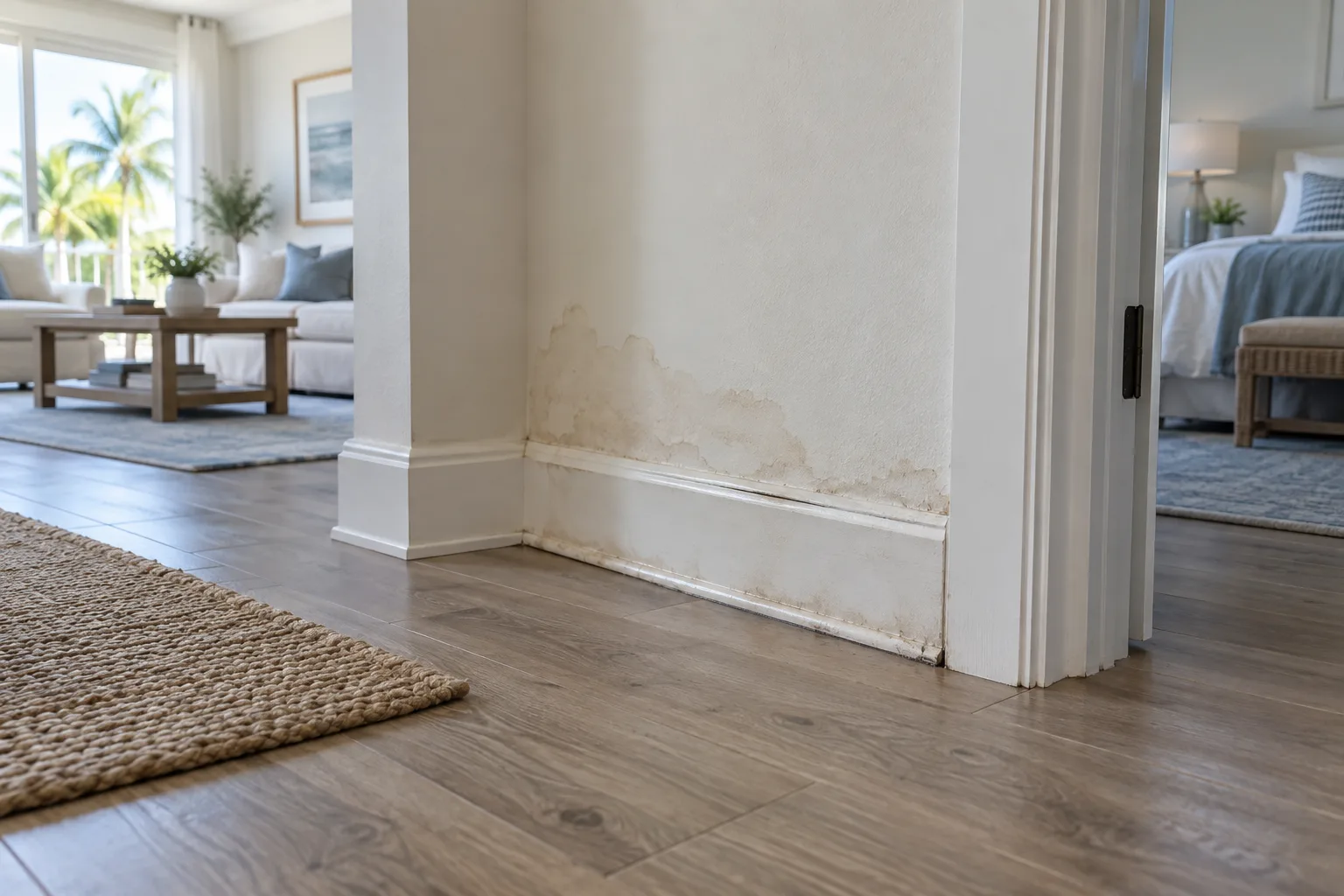
What a plumbing claim involves
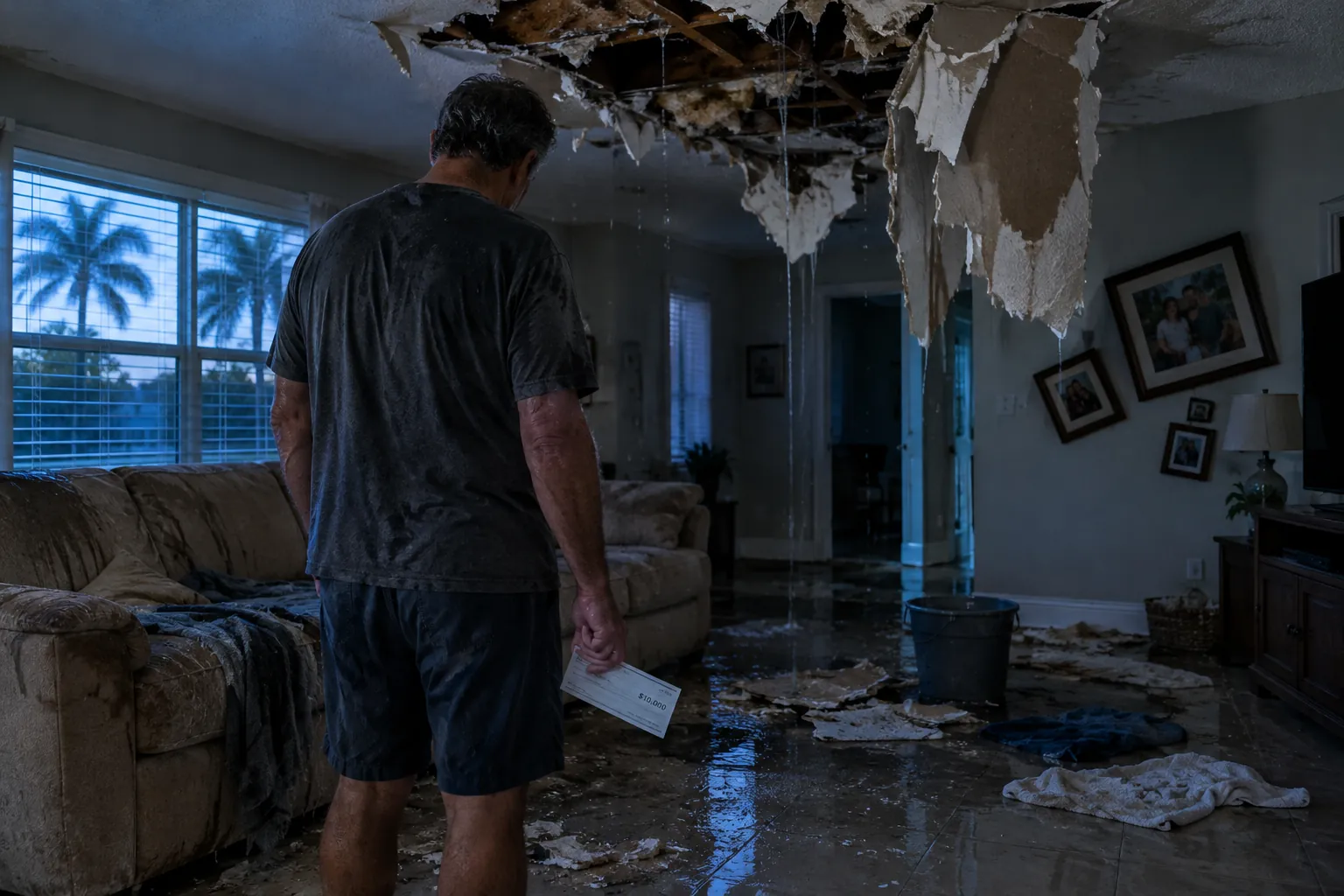
Plumbing claims in Miami, FL, involve asking an insurer to cover property damage associated with a leaking pipe, failed connection, or other plumbing-related event. Coverage depends on the policy and circumstances, so stopping the leak and documenting the loss are essential first steps. This article explains how to organize plumbing damage claims, coordinate repairs, and review an insurer’s response without assuming every expense will be covered.
Does homeowners insurance cover plumbing damage in Miami?
Homeowners insurance may cover damage from an accidental plumbing discharge, but coverage is not automatic. Florida’s Office of Insurance Regulation identifies accidental discharge or overflow of water as a covered peril under certain policy forms, while other forms provide different protection. Your actual policy, exclusions, and endorsements determine how those provisions apply to your loss.
Avoid treating “water damage” as a single coverage category. Water escaping from an indoor supply line is different from rising water entering a property after heavy rainfall. Florida’s Department of Financial Services distinguishes plumbing-related water damage from flood damage, which generally requires separate coverage. Describe where the water came from rather than simply calling everything a flood.
For your coverage review, separate three questions: What caused the escape of water? What property was damaged? What work is needed to restore it? Ask the insurer to address each question in writing, including whether it treats the plumbing repair differently from the resulting damage. This creates a clearer discussion than asking whether the entire project is “covered.”
Protect the property before planning permanent repairs
Florida consumer guidance advises policyholders to make reasonable emergency repairs, prevent further damage, and preserve documentation. It also recommends contacting the insurer before entering repair contracts so you can follow the policy’s repair provisions. That means balancing urgent protection with an opportunity for the insurer to inspect—not leaving an active leak untreated while waiting for a coverage decision.
Use this initial response checklist:
- Arrange safe leak control. Ask a qualified plumber to locate and stop the source; do not attempt work you cannot safely perform.
- Photograph the scene. Capture the affected room, the apparent source, and close-ups before repairs when feasible.
- Notify the insurer promptly. Request a claim number and instructions for emergency work and documentation.
- Save receipts and damaged materials where feasible. Ask how the insurer wants removed components preserved.
- Document changes. Photograph emergency work and record who performed it, when, and why.
These steps support the loss documentation recommended by Florida consumer guidance.
When calling for help, distinguish the immediate problem from the final restoration. A request such as “stop the active supply-line leak and document the failed connection” gives the plumber a defined first task. Keep broader replacement proposals separate until you understand their scope and how the insurer will evaluate them.
Build a claim file that explains what happened
Florida’s Department of Financial Services recommends an inventory of damaged belongings with descriptions, purchase information, values, and supporting records. Its guidance also emphasizes photographs and receipts for temporary repairs. Start collecting these materials early, then organize them so someone unfamiliar with your home can follow the sequence.
A practical folder structure is:
- Timeline: Record when you first noticed the problem, what you observed, and when you contacted each provider.
- Photographs: Label images by room and date, including wide views and close-ups.
- Plumbing findings: Request the identified source, tests performed, work completed, and any limitations on the diagnosis.
- Damage inventory: List affected belongings individually, with receipts or other available purchase records.
- Estimates and communications: Save itemized proposals, invoices, emails, and notes from calls.
Keep observations separate from conclusions. For example, “water was visible beneath the sink Tuesday morning” describes something you witnessed; “the pipe failed overnight” may be an assumption. If you do not know when a concealed leak began, say so and ask the professional to explain what the available evidence supports.
Use consistent filenames, such as the room, item, and date, rather than leaving every photograph with its default number. After a telephone conversation, send a brief email summarizing the instructions you understood and invite corrections. Treat the file as a working record, not a presentation assembled only after a disagreement appears.
Coordinate Miami plumbing repairs with the insurance inspection
Before hiring a contractor, verify licensing and request proof of insurance. Florida’s Homeowner Claims Bill of Rights guidance recommends both steps, along with reviewing contracts carefully and retaining damaged property when feasible. A contractor’s availability matters, but it should not replace checking who will perform the work and what you are agreeing to pay.
When comparing Miami plumbing services, request an itemized scope rather than a single unexplained total. Ask the provider to distinguish investigation, emergency leak control, permanent plumbing work, and any proposed access or restoration work. Have the estimate identify exclusions, such as wall repairs another contractor would need to price.
Consider asking these questions before authorizing work:
- What evidence supports the proposed repair rather than another approach?
- Which work must happen immediately, and which work can await inspection?
- Will you provide photographs and written findings?
- How will additional work be approved if the scope changes?
- What payment obligations remain mine regardless of the insurance decision?
Do not ask a plumber to guarantee coverage. Instead, request clear technical findings and send coverage questions to the insurer. For substantial Miami plumbing repairs, ask the insurer which inspection or documentation steps it needs before permanent work begins, while continuing necessary emergency protection.
Report promptly and confirm applicable deadlines
Florida’s Department of Financial Services states that initial and reopened property damage claims generally must be reported within one year after the date of loss, and supplemental claims within 18 months. Its guidance also tells policyholders to notify the insurer promptly and review their duties after a loss. These reporting limits should not be treated as permission to postpone notice.
Ask for written confirmation of the reported loss date and any outstanding requests. Put response dates, inspection appointments, and document requests on one calendar. If the discovery date and the actual damage date may differ, flag that uncertainty rather than choosing a date simply to complete a form.
Because the applicable policy and circumstances matter, seek individualized advice when a deadline is approaching or disputed. This article provides general information, not a determination of your coverage or legal rights.
What should you do if the claim is denied or underpaid?
Start by obtaining the insurer’s written decision and comparing its explanation with your policy, photographs, professional findings, and estimates. Florida consumer guidance recommends submitting contractor estimates when you disagree with the final determination. Eligible disputes may also qualify for mediation through the Florida Department of Financial Services.
Make your response specific. Instead of writing “the payment is too low,” identify the disputed room, repair item, quantity, or omitted work. Attach the supporting estimate and ask whether the difference concerns coverage, the extent of damage, or repair pricing. This gives the insurer a defined issue to review.
For example, if your estimate includes replacing damaged cabinet components but the insurer’s estimate includes only a limited repair, request an explanation of that difference. Ask your contractor to explain the proposed method without exaggerating the damage or assuming the insurer must accept the estimate.
If direct discussion does not resolve the dispute, check mediation eligibility with the department. Mediation offers an informal setting with a neutral mediator; it does not guarantee payment or allow the mediator to order the insurer to pay. Review any proposed settlement carefully before accepting it.
A clear record supports the next step
Approach plumbing damage claims as two connected tasks: protect and repair the property, then document the loss for the insurer’s coverage review. Prompt reporting, photographs, receipts, and cooperation with the investigation are central responsibilities in Florida’s consumer guidance. None guarantees approval, but each helps explain what happened and what you did afterward.
Start with the next concrete action: report the loss, request written plumbing findings, or organize the records already on hand. You do not need to resolve every coverage question before building a clear, accurate account.
General information only, based on Florida law at the date shown. It is not legal advice, and initial guidance does not replace an evaluation by a licensed public adjuster.