Florida claims
How Citizens’ $10,000 cap on water damage claims was born
How Citizens’ $10,000 limit on nonweather water damage began in 2017, who backed it, what critics said and how it still applies to Florida policies.
By Ricardo Arevalo, Florida Public Adjuster · Published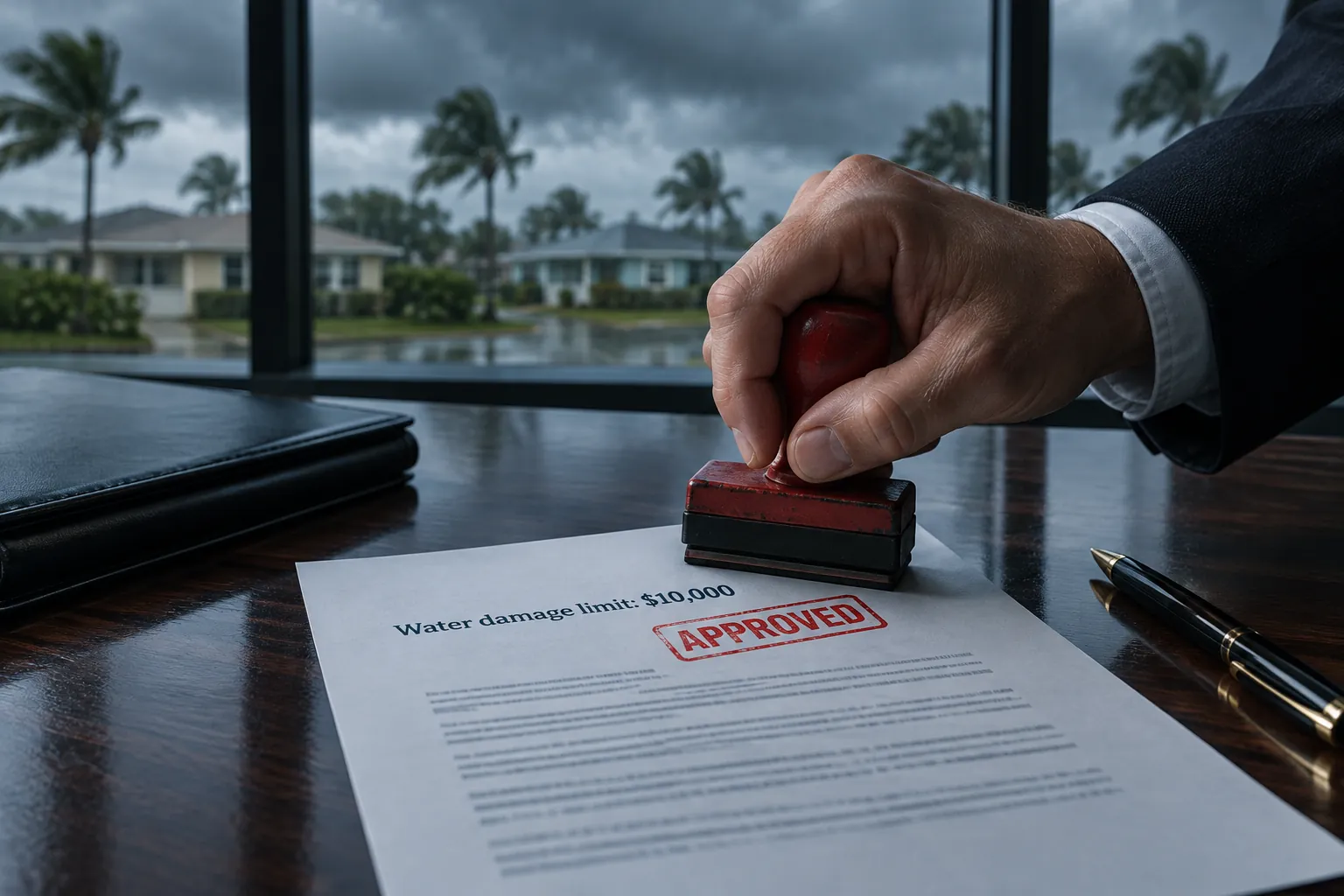
“A sustainable model”
In July 2017, Barry Gilway, president and CEO of Citizens Property Insurance, made the case in writing for a change to the insurer’s policies. Water claim costs were climbing, along with lawsuits and the abuse of assignment of benefits agreements with contractors, and Citizens, he wrote, “can’t sit back and do nothing while we dip deeper into reserves.”
“As Florida’s insurer of last resort, we need a sustainable model,” he added. His proposal: a repair program with contractors chosen by Citizens, and a $10,000 limit on nonweather water damage for anyone who preferred their own contractor. That cap, Gilway said, “would adequately cover three out of four policyholders who file a nonweather-related water claim.”
The approval
The Florida Office of Insurance Regulation signed off in August 2017. Insurance Commissioner David Altmaier backed the measure with a caveat. The changes “will be helpful in my opinion in curbing some of these losses,” he said, but “I don’t believe that they would be as effective as a legislative change would be.” He also predicted that private insurers would copy the limit.
“They should cut the premium”
The pushback came quickly. The Florida Justice Association, which represents the state’s trial lawyers, called the cap “anti-consumer and anti-homeowner.” Its interim executive director, Paul Jess, went further: “If Citizens is cutting the benefit, they should cut the premium and abandon the rate increase.” Without that, he said, “this deal is a rip-off.”
Critics of managed repair programs added another argument: they take away a homeowner’s right to choose a contractor.
August 2018
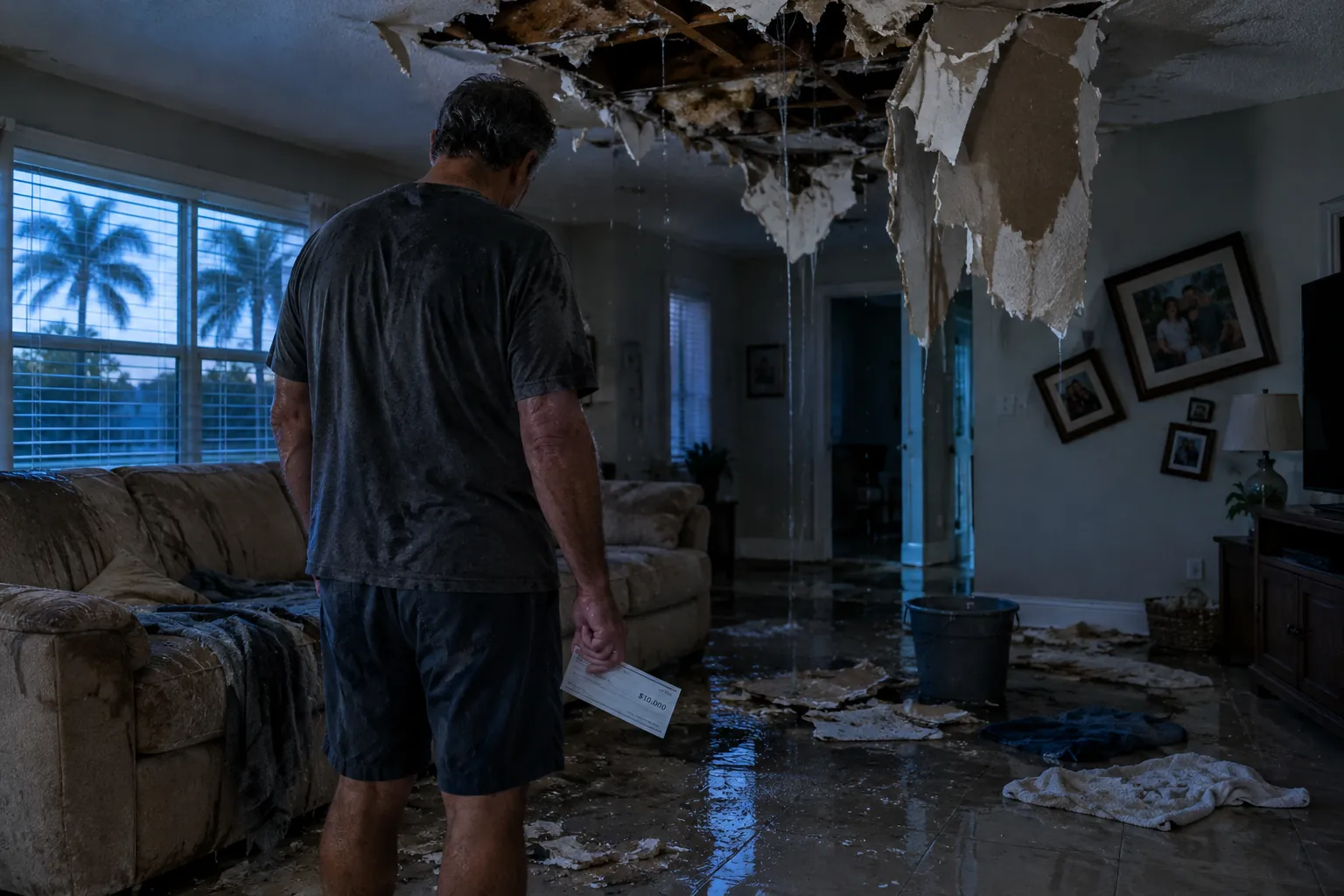
The change did not take effect right away. The first start date slipped, and in April 2018 Citizens’ Board of Governors approved the final policy language. Beginning August 1, 2018, the insurer limited payment on losses such as a broken pipe or a leaking water heater to $10,000, including $3,000 for emergency mitigation, except for policyholders who used its repair program.
Citizens argued at the time that most of its policyholders would not notice, because water removal and repairs in claims of that kind typically did not exceed $10,000.
Eight years later
The cap is still there. The claim brochure Citizens published in May 2025 repeats the same figures: $10,000 for those who do not use its contractor network, and $3,000 for emergency mitigation done by another company. And, as Altmaier predicted, other Florida insurers adopted similar limits.
Frequently asked questions
When did Citizens’ $10,000 water limit start?
Citizens announced that it would take effect on August 1, 2018, after the regulator’s approval in 2017 and its board’s final approval in April 2018.
Who proposed it?
Citizens itself, under its president and CEO at the time, Barry Gilway. The Florida Office of Insurance Regulation approved it.
Was the limit meant to lower premiums?
Citizens presented it as a way to control water losses, AOB abuse and litigation. It did not promise lower premiums. Critics said that if the benefit was cut, the premium should be cut too.
General information only, based on Florida law at the date shown. It is not legal advice, and initial guidance does not replace an evaluation by a licensed public adjuster.