Florida claims
After the $10,000 cap: what happened to Citizens home insurance rates
Citizens’ approved rate changes since its $10,000 water limit began in 2018, what Citizens said the change would do and what the numbers cannot show.
By Ricardo Arevalo, Florida Public Adjuster · Published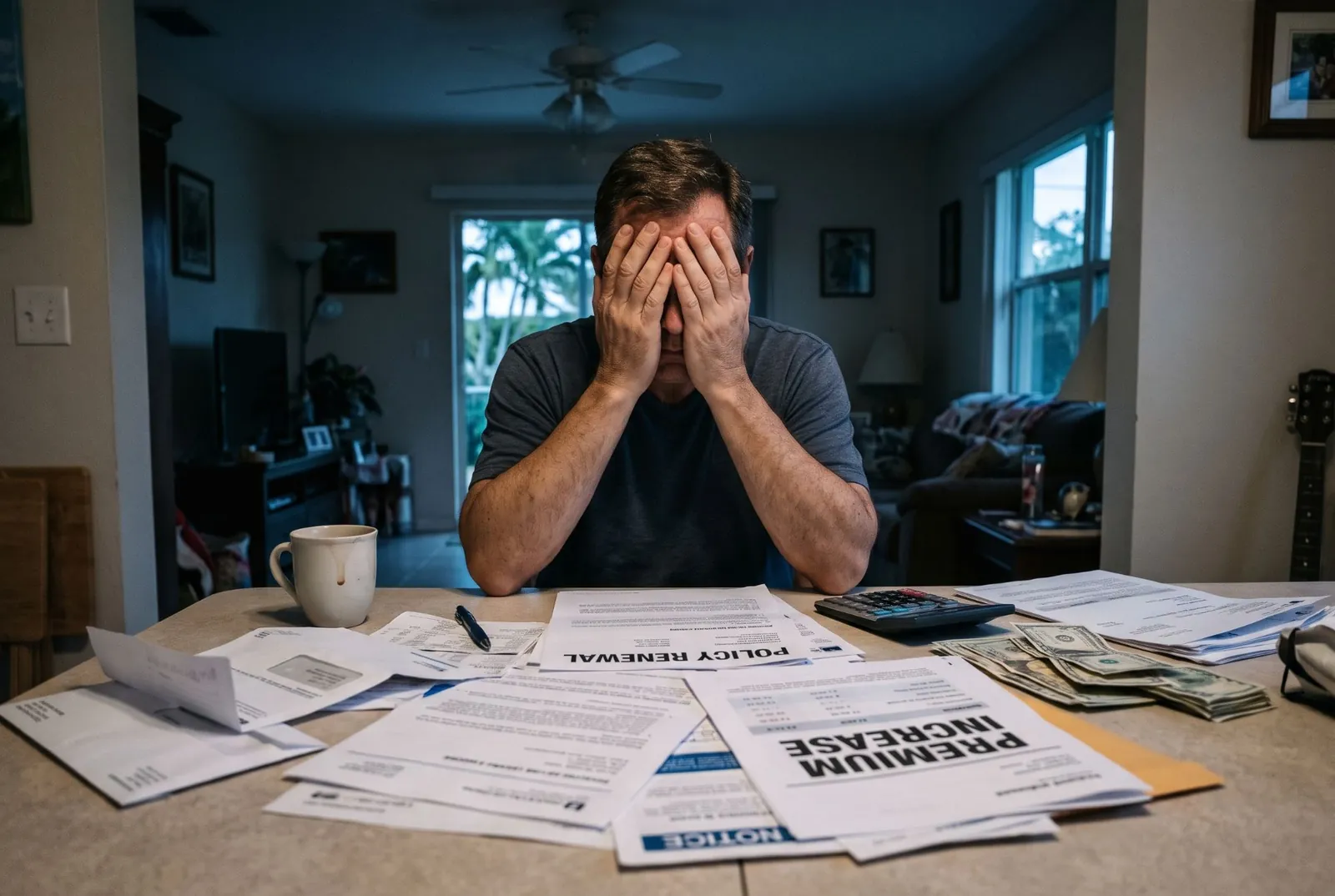
The promise that was never made
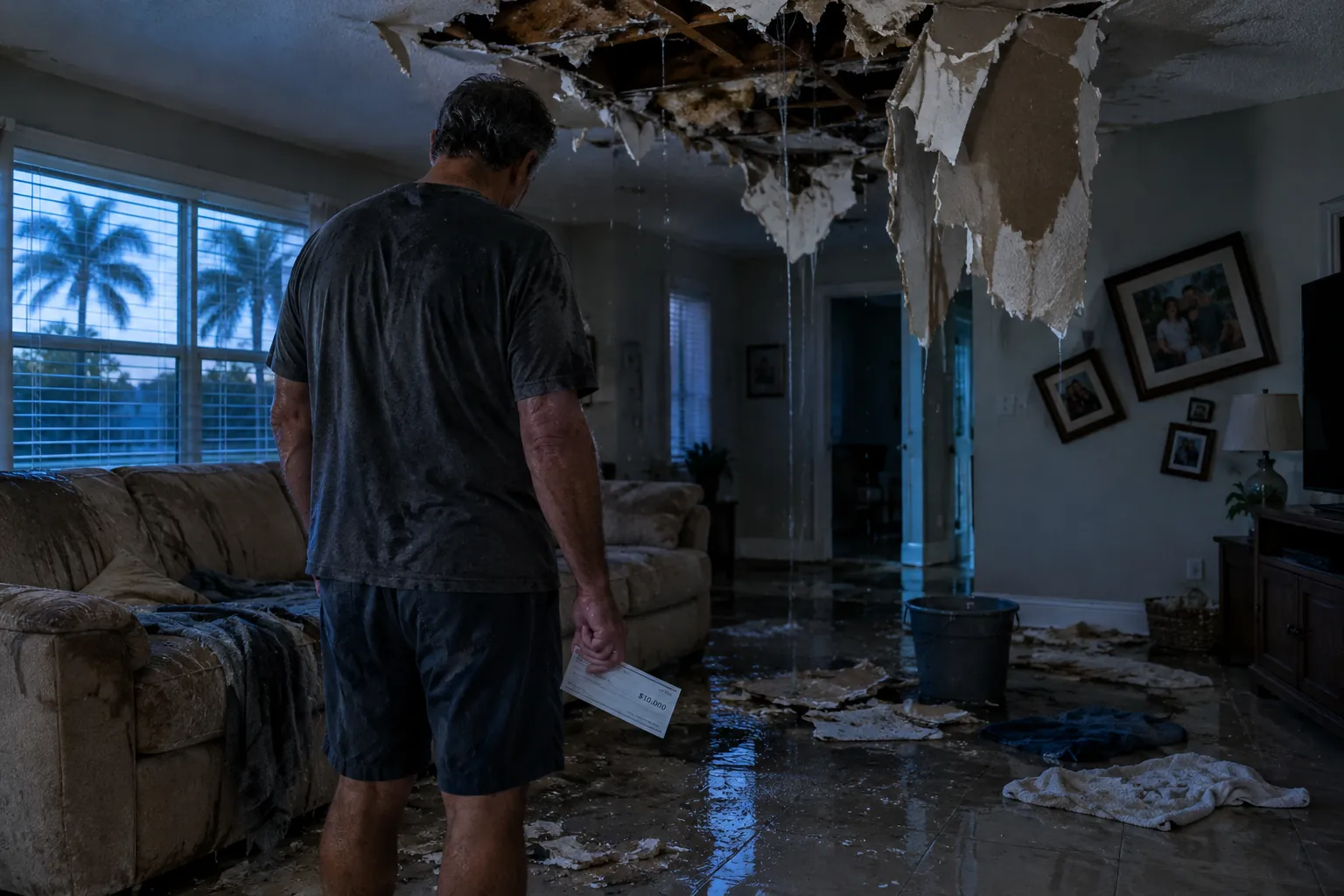
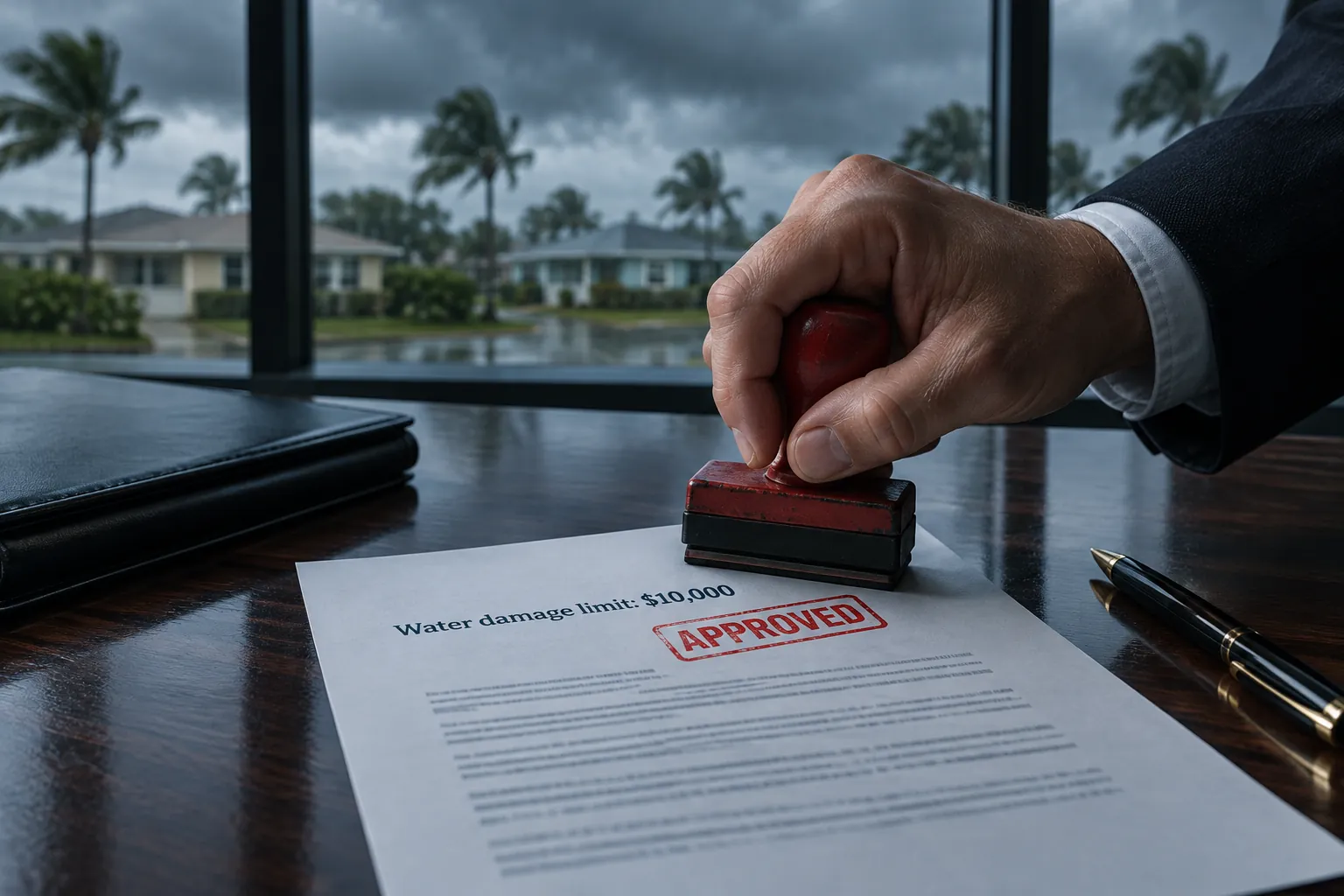
When Citizens capped water claims at $10,000, it never promised that premiums would fall. The insurer presented the change as a brake on water losses, assignment of benefits abuse and litigation, which it blamed for rate increases in South Florida. Policyholders who accepted its repair program were offered a policy discount. Everyone else got a warning: 10 percent increases might be looming for years to come.
Year after year
The increases came, though rarely as large as Citizens asked. These are the average changes approved for Citizens home insurance policies, according to the regulator and the insurer:
- December 2019: just under +4.7% on average across Citizens’ residential property policies, after an 8.2% increase approved earlier never took effect
- August 2021: +3.2% for homeowners multiperil policies (Citizens had asked for 6.2%)
- September 2022: +6.4% (Citizens had asked for 10.7%); the average HO-3 premium rose $187, to $3,108 a year
- Late 2023: an average of +12.3% for primary residences, according to Citizens
- June 2025: +6.6% for homeowners multiperil policies (Citizens had asked for 14%)
- July 2026: −8.8% on average for homeowners multiperil policies
Chained together, those average increases add up to roughly 38% from 2019 through 2025, and to about 25% after the 2026 cut. That is an estimate from averages: each policy changes differently, and state law caps each primary residence’s yearly increase (11% in 2022, rising one point a year to 15% from 2026).
Not just Citizens
Across the rest of the market, increases were steeper. A Coalition for an Insurable Future report, cited by the Miami Herald in May 2026, found that Florida homeowners premiums rose 75% from 2021 to 2025, almost double the national average of 38%. Insurify put the average Florida home premium at $8,292 in 2025, up 18% from the year before.
The studies use different methods, so their figures do not always match.
What the numbers do not say
None of this proves that the water cap pushed premiums up or down. Rates also depend on litigation, reinsurance costs and hurricanes, and averages cannot separate one factor from another.
Citizens’ own actuaries pointed to a different cause: the late-2022 law known as Senate Bill 2A, which ended one-way attorney fees and barred assignment of benefits agreements. Citizens’ statewide non-catastrophe litigation rate fell from 14% in 2020 to 6% in 2023, and in 2024 its actuarial presentation called that drop “the primary driver” of its improved results. The 2026 rate cut came afterward.
For policyholders
Rates go up and down; the $10,000 cap stays in Citizens’ policies. If water from a pipe or an appliance damages a home, the limit that applies is on the declarations page and in the endorsements, and it is worth asking the insurer in writing to explain how it affects the claim.
RicardoPA reviews policies and claims in a free evaluation.
Frequently asked questions
How much have Citizens rates gone up since 2018?
Citizens’ approved average increases ranged from about 3% to 12% a year between 2019 and 2025, roughly 38% chained together, and rates fell 8.8% on average for homeowners multiperil policies in 2026. Each policy changes differently.
Did the $10,000 water limit lower premiums?
There is no data showing that it did. Citizens presented it as a way to control water losses and litigation, not as a premium cut, and rates kept rising for several years afterward.
Why did Citizens rates go down in 2026?
The decrease came after the 2022 legal changes. In 2024, Citizens’ actuaries already said lower litigation was the primary driver of its improved results.
General information only, based on Florida law at the date shown. It is not legal advice, and initial guidance does not replace an evaluation by a licensed public adjuster.