Coverage basics
Sudden leak or slow seepage? Why it matters for a water claim
Why insurers look at how long water was leaking, how limits and mitigation affect a Florida water damage claim, and what to document after a leak.
By Ricardo Arevalo, Florida Public Adjuster · Published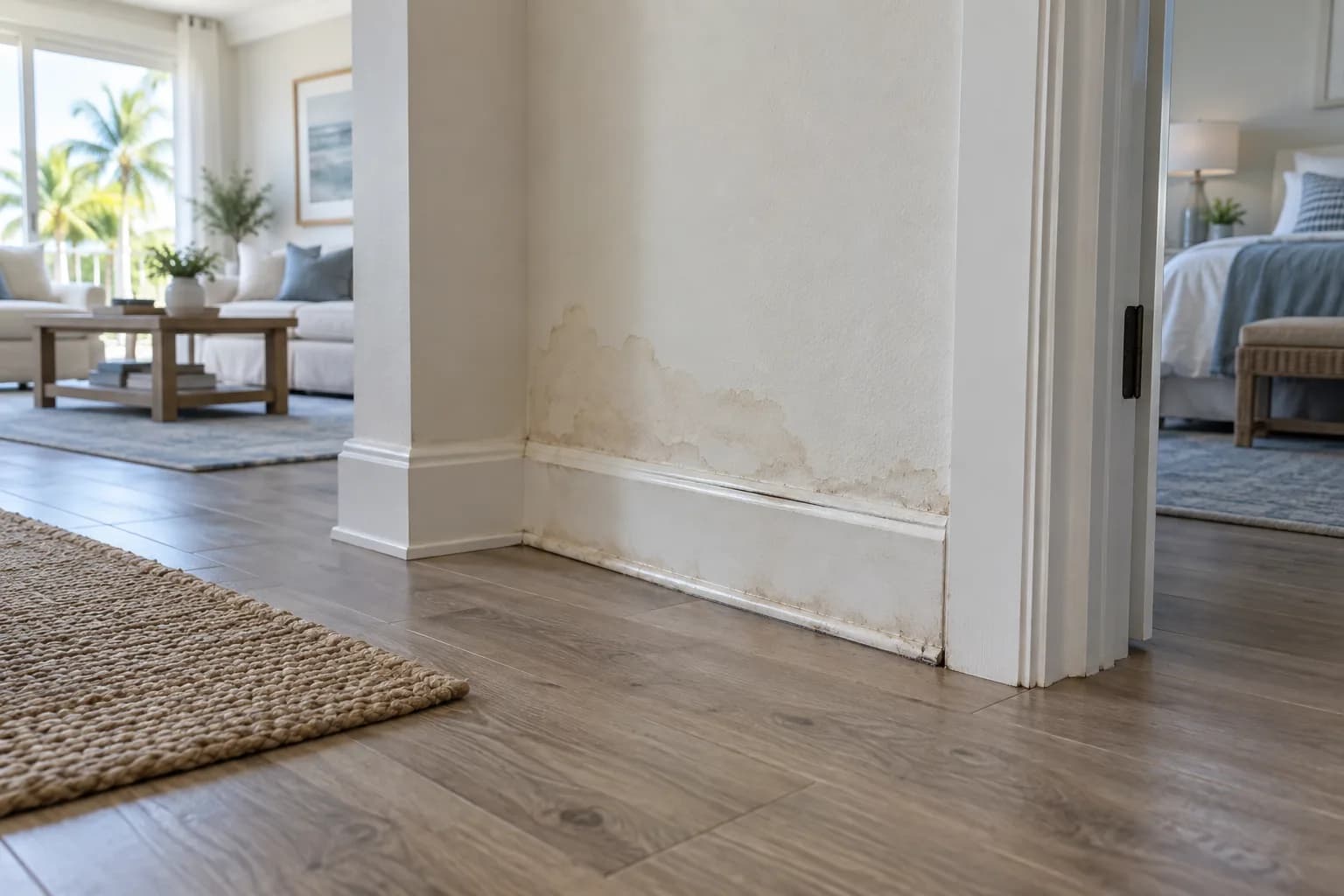
The question insurers ask first
In a water damage claim, the cause and the timing often matter as much as the damage itself. Homeowners policies commonly cover sudden and accidental discharges, such as a burst supply line or a failed water heater, and commonly exclude damage from constant or repeated seepage over 14 days or more, wear and tear, lack of maintenance and flood. The exact wording is in your policy.
Stop the water and protect the property
Policies ask you to take reasonable steps to prevent further damage. This is called mitigation, and reasonable emergency mitigation costs are often part of the claim:
- Shut off the water supply or the appliance, if it is safe to do so
- Call a plumber to locate and stop the source, and keep the report
- Arrange drying or water extraction, and keep every invoice
- Photograph the damage and the source before repairs, and keep damaged materials until they are documented
Check the limits on your declarations page
Many Florida policies cap water damage or mold coverage, for example at $10,000, unless higher limits were purchased, and some include a separate water damage deductible. Reading the declarations page and endorsements early helps set realistic expectations.
Condos: two policies, one leak
In a condominium, the unit owner’s policy (HO-6) generally covers interior finishes and personal property, while the association’s master policy covers the parts of the building it insures. A leak from the unit above can involve your policy, your neighbor’s policy and the association. Note where the water came from and notify the association in writing.
When more damage shows up later
Water can travel behind walls and under flooring. If you find more damage after the claim was adjusted, Florida allows a supplemental claim within 18 months after the date of loss. Musty odors or spots may also raise mold questions; those need a qualified assessment, and policies often limit mold coverage.
Frequently asked questions
Does homeowners insurance cover a slow leak?
Often not. Many policies exclude damage from constant or repeated seepage or leakage over 14 days or more. Coverage depends on the exact wording and the facts, so the cause and the timeline matter.
Is a burst pipe covered?
Sudden and accidental water discharge, such as a burst pipe, is commonly covered, subject to the policy’s exclusions, limits and deductibles. Repairing the pipe itself may be treated differently from the water damage it caused.
Should I start repairs before the adjuster comes?
Take emergency steps to stop the damage and dry the area, and keep the receipts. Document everything before permanent repairs and tell the insurer what was done.
General information only, based on Florida law at the date shown. It is not legal advice, and initial guidance does not replace an evaluation by a licensed public adjuster.