Florida claims
Wind or flood? Two policies after a hurricane
Why hurricane damage can fall under two different policies, how flood claims differ from homeowners claims, and the deadlines that apply to each one.
By Ricardo Arevalo, Florida Public Adjuster · Published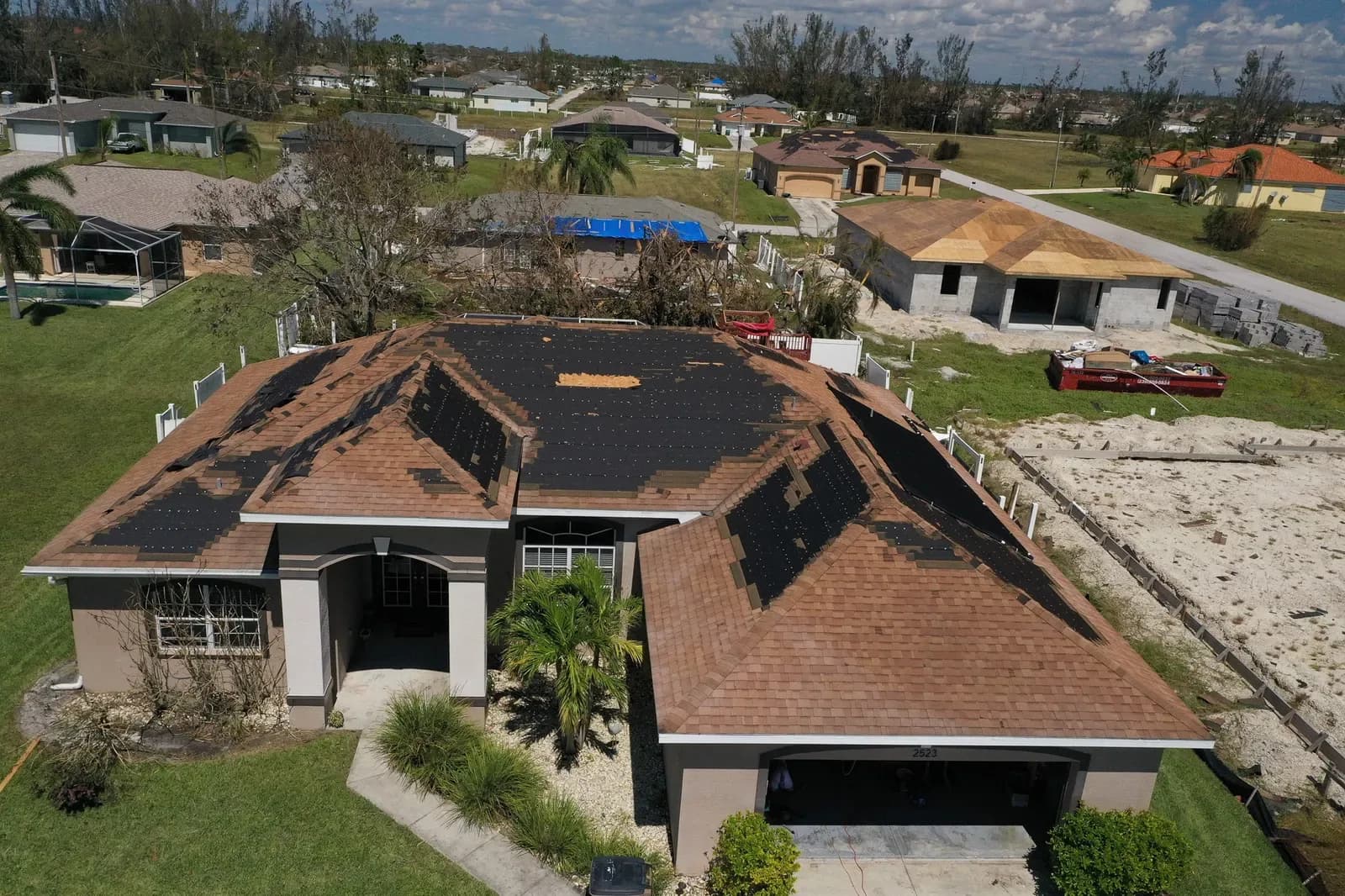
One storm, two kinds of damage
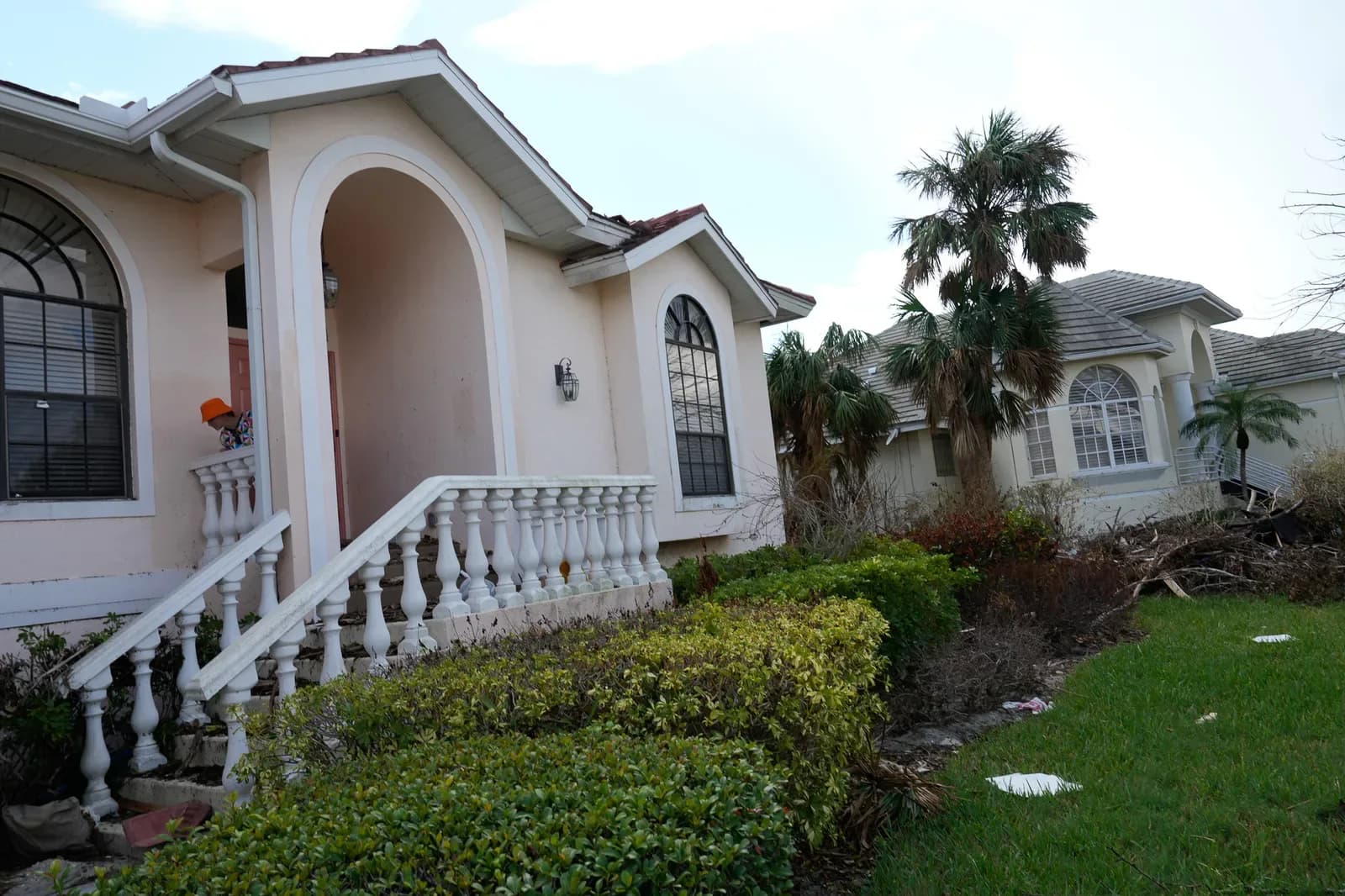
A hurricane can damage a property through wind and wind-driven rain, and through flood: storm surge or rising water from outside. Standard homeowners policies cover many wind losses but exclude flood. Flood damage is covered only by a separate flood policy, such as one from the National Flood Insurance Program (NFIP) or a private flood insurer.
How the two claims differ
Even after the same storm, the two claims follow separate tracks:
- Different insurers or programs, adjusters and estimates
- Different deductibles: the hurricane deductible on the homeowners side and the flood policy’s own deductible
- Different deadlines: notice of a Florida homeowners claim within 1 year after the date of loss, and a signed proof of loss within 60 days after the loss under the standard NFIP policy
- Different coverage: NFIP policies have their own limits and rules for basements and contents, and generally do not pay additional living expenses
FEMA sometimes extends the NFIP proof-of-loss deadline after major events, so confirm the current deadline with your flood insurer.
Report to both when in doubt
If both wind and water affected the property, report the loss to your homeowners insurer and to your flood insurer. Each one decides its own part. Describe what you saw without assuming the cause: where water came in, how high it rose, and what damage came through the roof or windows.
Document what separates them
The most useful evidence shows where wind damage ends and flood damage begins:
- Photos of the high-water line on walls, fences and furniture
- Damage to the roof, windows and doors, inside and out
- Ceiling stains or leaks above the waterline, which may point to wind-driven rain
- The dates and times of landfall and of the flooding, if you know them
Plan before the next storm
New NFIP policies generally have a 30-day waiting period before coverage begins, with limited exceptions, so flood coverage cannot be bought at the last minute. Review your homeowners and flood declarations pages before hurricane season begins.
Frequently asked questions
Does homeowners insurance cover storm surge?
Generally no. Storm surge and rising water are flood, which standard homeowners policies exclude. Flood damage needs a separate flood policy.
How long do I have to file a flood claim?
The standard NFIP policy asks for a signed proof of loss within 60 days after the loss. FEMA sometimes extends that deadline after major events, so confirm it with your flood insurer.
Can I have a wind claim and a flood claim for the same storm?
Yes. Each policy pays for the damage it covers. Clear documentation of what each type of damage did helps both claims.
General information only, based on Florida law at the date shown. It is not legal advice, and initial guidance does not replace an evaluation by a licensed public adjuster.