Florida claims
Hurricane damage claims in Florida, step by step
What to do after a hurricane damages your Florida home or business: safety, photos, temporary repairs, the hurricane deductible and claim deadlines.
By Ricardo Arevalo, Florida Public Adjuster · Published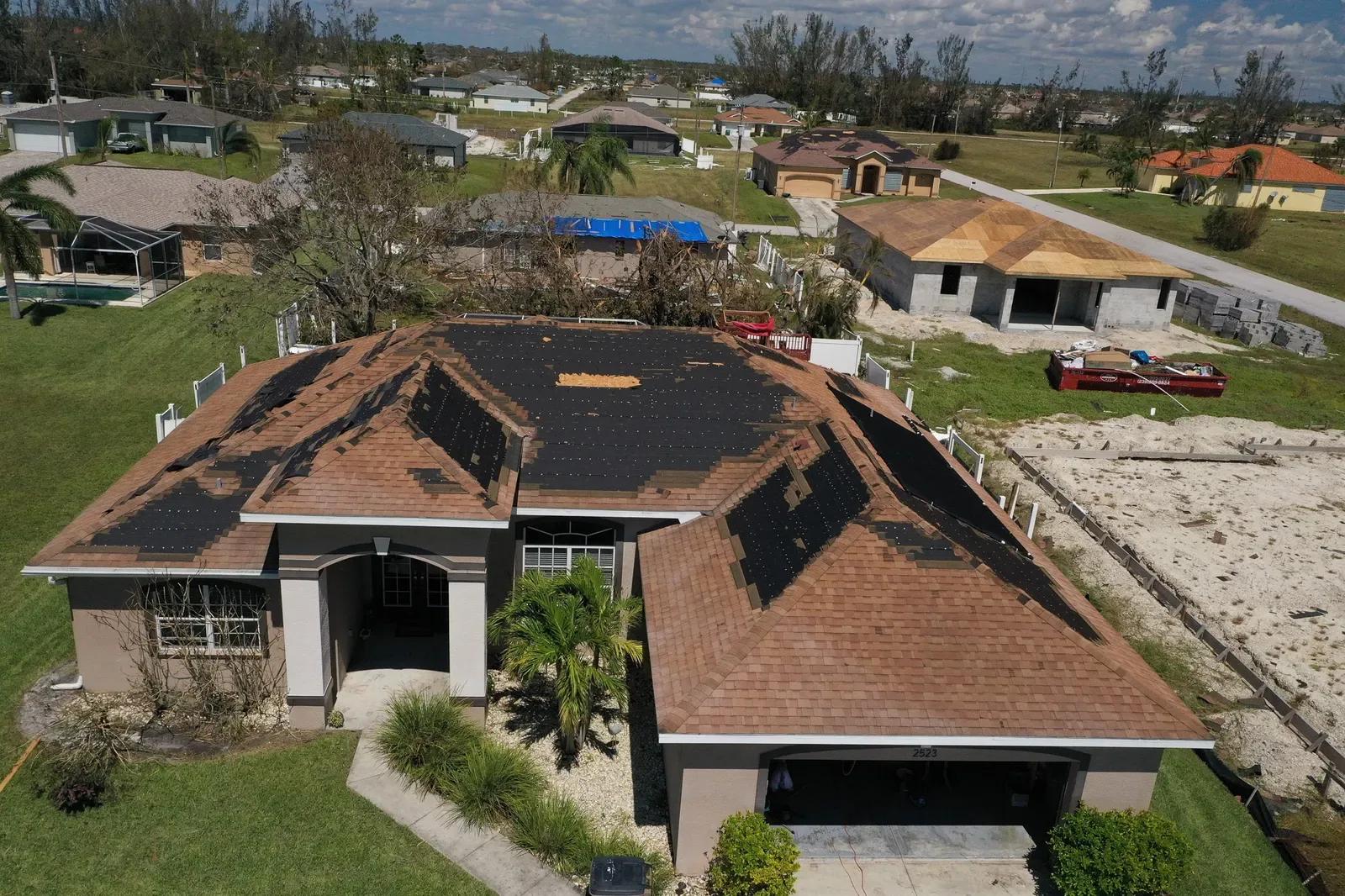
1. Safety before documentation
Wait until officials say it is safe to return. Avoid downed power lines, standing water and damaged structures, and never climb a damaged roof to take photos. Photos taken from the ground or by a roofer are enough to start a claim.
2. Photograph everything before cleanup
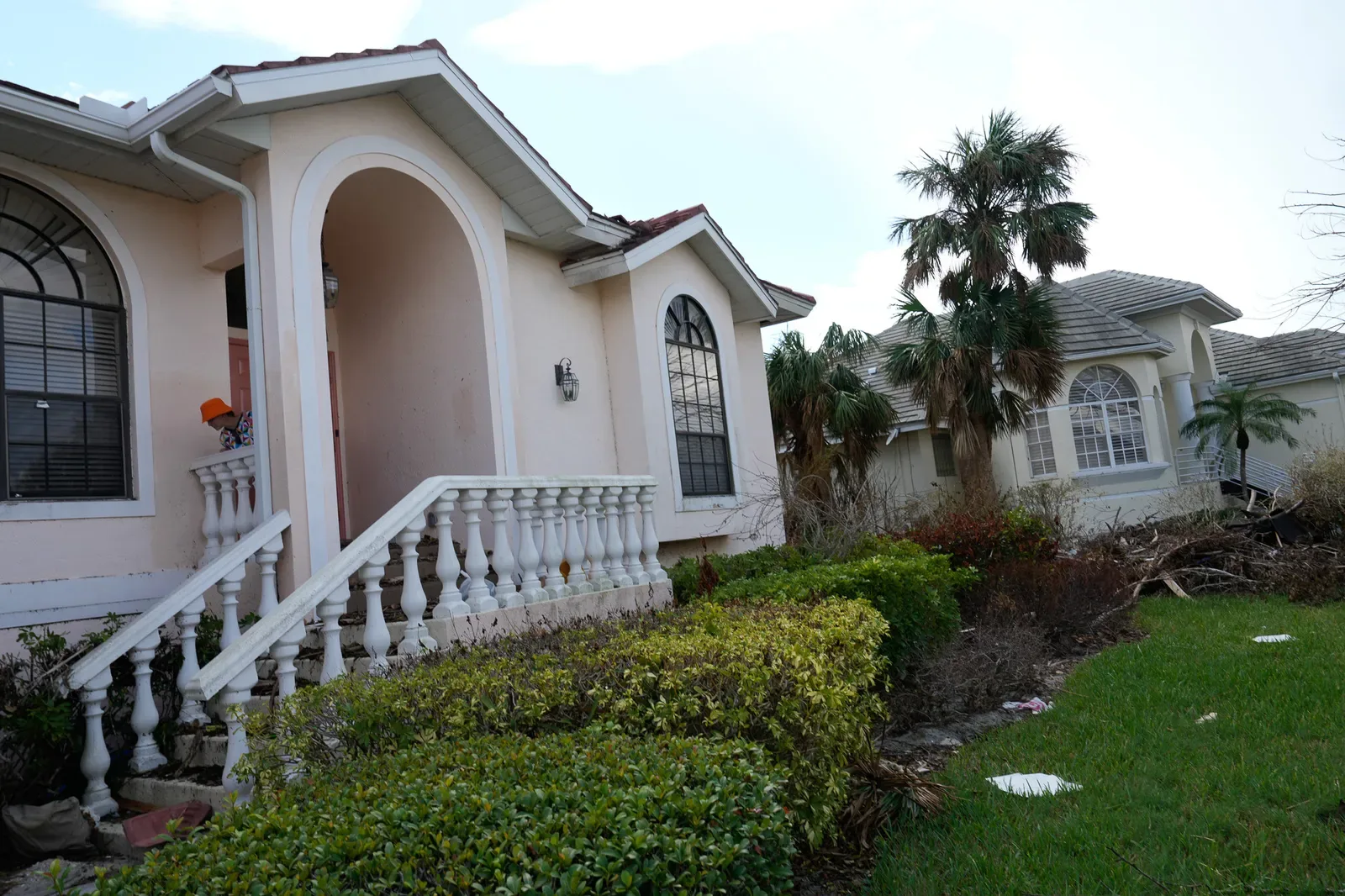
Hurricane damage claims depend on showing what the storm did:
- Wide shots of each side of the building and close-ups of damage
- Interior rooms where water entered, including ceilings and floors
- Fallen trees, debris and damaged fences or outbuildings
- Water lines on walls if flooding occurred
- Damaged belongings before you throw them away
3. Make reasonable temporary repairs
Cover roof openings with a tarp, board broken windows and start drying wet areas to prevent further damage. Keep every receipt and photograph the work. Permanent repairs can usually wait until the insurer has had a chance to inspect; ask the insurer before you start them.
4. Report the claim and separate wind from flood
Report the claim to your property insurer promptly and write down the claim number. Damage from wind and wind-driven rain is handled under your homeowners or commercial property policy. Damage from rising water or storm surge is generally covered only by flood insurance, such as a National Flood Insurance Program policy, which is a separate claim with its own adjuster.
5. Understand the hurricane deductible
Many Florida policies have a separate hurricane deductible, usually a percentage of the dwelling limit, such as 2 percent, rather than a fixed dollar amount. Under section 627.701 of the Florida Statutes, the hurricane deductible applies once per calendar year to all covered hurricane losses under policies from the same insurer or insurer group, not to each storm. Check your declarations page for the percentage and keep track of any hurricane deductible already applied this year.
6. The inspection and the estimate
The insurer must begin investigating within 7 days after receiving proof-of-loss statements and, for residential claims, complete any physical inspection within 30 days. It must pay or deny the claim, in whole or in part, within 60 days after receiving notice, unless factors beyond its control prevent it. When the estimate arrives, compare it room by room with your photos, temporary repair receipts and contractor estimates.
7. Deadlines and hidden damage
Florida requires notice of a new or reopened claim within 1 year after the date of loss, and a supplemental claim within 18 months. Hurricane damage is often found later, during repairs, so keep documenting what you find and report it as a supplemental claim when it appears.
Help with hurricane damage claims
RicardoPA helps homeowners, condo owners and businesses in Miami-Dade, Broward and Palm Beach with hurricane and storm damage claims. The first evaluation is free, by phone or Zoom, in English or Spanish. Call 305-394-8090.
Frequently asked questions
Does homeowners insurance cover hurricane damage in Florida?
Homeowners policies generally cover wind and wind-driven rain damage from a hurricane, subject to the hurricane deductible and policy terms. Flood damage from rising water generally requires separate flood insurance.
How does the hurricane deductible work?
It is usually a percentage of your dwelling coverage, shown on your declarations page. It applies once per calendar year to hurricane losses with the same insurer, not once per storm.
How long do I have to file a hurricane damage claim in Florida?
Notice of a new claim must be given within 1 year after the date of loss, and a supplemental claim within 18 months. Report it as soon as you can.
General information only, based on Florida law at the date shown. It is not legal advice, and initial guidance does not replace an evaluation by a licensed public adjuster.