Denied claim
Denied home insurance claim: key steps for homeowners in Miami-Dade
Denied home insurance claim in Miami-Dade: key steps to document, appeal and review your policy. Free initial evaluation with a public adjuster in Miami.
By Ricardo Arevalo, Florida Public Adjuster · Published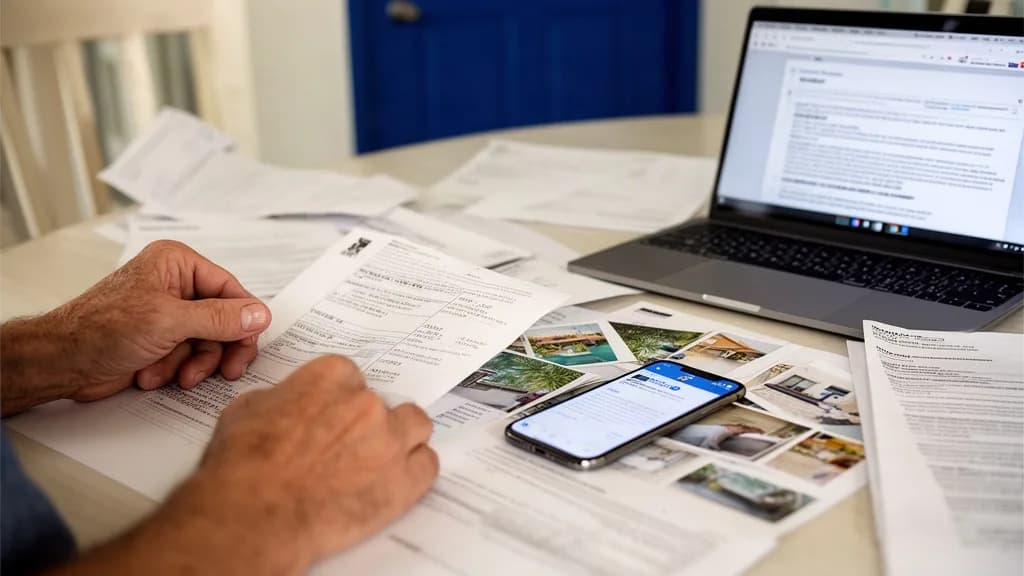
Introduction
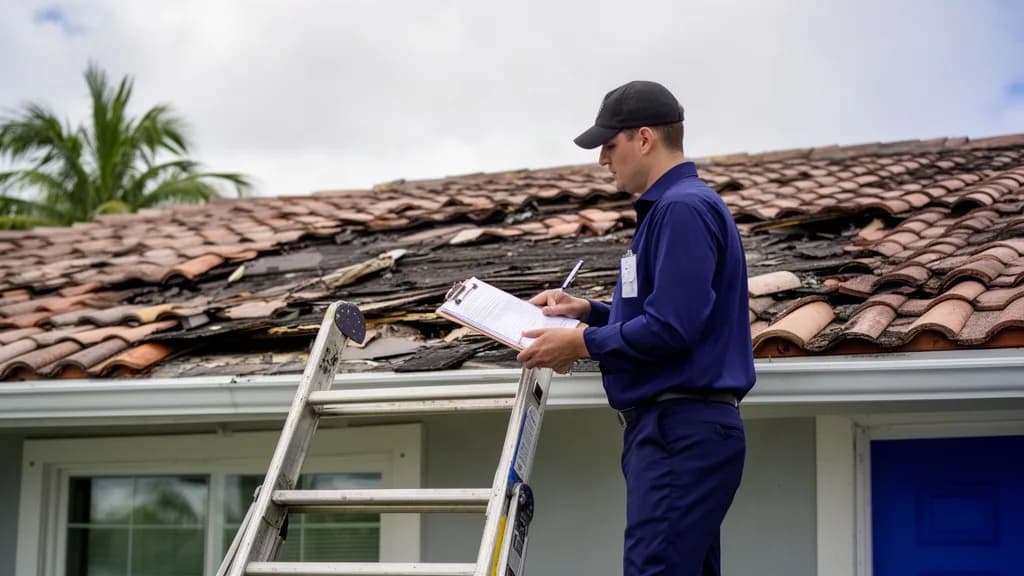
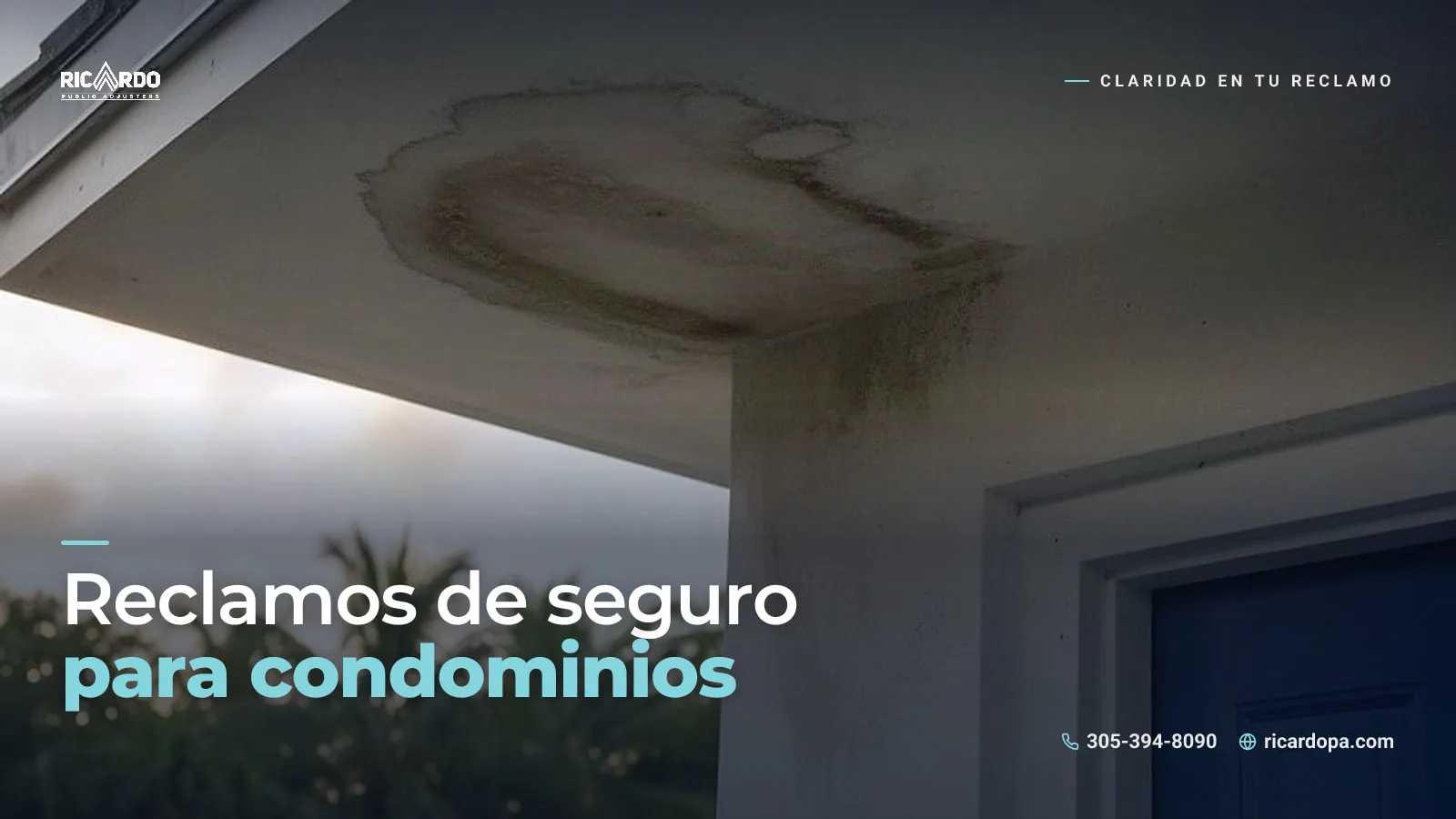
Introduction: why you shouldn’t give up if your claim was denied Receiving a notice that your home insurance claim was denied does not automatically mean there is nothing you can do. In Miami-Dade (and the rest of Florida) there are clear steps homeowners can take to document damage, understand the reason for the denial, and appeal when appropriate. A public adjuster can help review the policy, document damage and prepare a technical, organized appeal.
Understand why your claim was denied
Insurers can deny a claim for several reasons. Identifying the exact reason is the first step.
- Lack of coverage: the policy excludes that type of damage.
- Lack of evidence: insufficient documentation of the damage or when it occurred.
- Failure to meet conditions: required policy steps were not followed (for example, notifying on time).
- Preexisting damage or maintenance: the insurer alleges the damage existed before the event.
- Submission issues: incomplete forms or insufficient photos.
Request the denial letter in writing and the concrete basis for the decision so you know what evidence you need to gather to appeal.
Document everything: evidence you need to gather
The appeal and any technical review depend on good documentation.
- Photos and videos of the damage from multiple angles (immediate and over time).
- Date and time you discovered the damage and when you reported it to the insurer.
- Communications with the insurer: emails, messages, claim numbers and call notes.
- Invoices, estimates and work orders from contractors or repairers.
- Inspection reports (for example, medical for injuries, or independent experts).
- Prior maintenance records (to counter claims of preexisting damage).
Keep digital and physical copies. A public adjuster can help you organize and supplement the evidence.
Review your policy: common coverages and exclusions
Before appealing, review the policy carefully. Look for:
- Coverage limits and applicable deductible.
- Specific exclusions (for example: flood, pollution, wear and tear).
- Notification requirements and deadlines to submit proof.
- Clauses about mitigation of damage (obligation to protect the property).
- Whether your condominium has a master policy (HOA) and what it covers versus your HO-6 policy.
If you are unsure what the clauses mean, a Spanish-speaking public adjuster can explain them clearly.
Key steps after a denial
Request in writing the reason for the denial and the policy or clause it is based on. Organize all relevant evidence (photos, estimates, communications). Obtain an independent damage assessment (contractor or neutral expert). Consider hiring a public adjuster who represents the homeowner, not the insurer. Prepare an appeal letter where you explain point by point why the claim should be reconsidered. These steps apply to claims for storm and hurricane damage as well as water, fire or theft damage.
How to appeal an insurance claim (includes denied flood)
Appealing correctly increases your chances the insurer will reconsider its decision. Here is the general process:
- Review the denial letter and the policy. Identify the legal or contractual basis for the denial.
- Gather new or supplementary evidence that directly addresses the reason for the denial.
- Write a clear, organized appeal: claim reference, dates, facts, attached documents and the reason the insurer was wrong.
- Send the appeal by a method that provides proof of delivery (certified mail or email with read receipt).
- Keep a record of all communications and dates.
Appealing a denied flood claim may also involve: Verifying whether you have flood coverage or if a FEMA or other program claim is appropriate. Submitting weather data, photos, and expert reports that show the cause of the damage and its relation to a covered event. A Florida-licensed public adjuster can help prepare a technical, organized appeal.
Options if the appeal doesn’t work
If the insurer maintains the denial, you have options depending on the case:
- Independent review or mediation: some contracts or regulations allow a review by a neutral third party.
- Complaint to the state regulator: you can file a complaint with Florida’s insurance regulator to request a procedural investigation.
- Evaluate administrative or judicial avenues: in some cases homeowners consult an attorney specializing in insurance. Note: we do not give legal advice.
Before any action, consider a second technical opinion (public adjuster or expert) to assess whether it’s worth escalating.
Tips for handling a denied claim without losing coverage
Continue complying with your policy requirements: notify and cooperate when the insurer requests it. Do not sign agreements or releases without reviewing them carefully; you could waive rights. Keep proof that you mitigated damages (for example, hired someone to dry out water). Mitigation is often a requirement to maintain coverage. Keep written, documented communication with the insurer. Assess whether the denial is due to a technical misunderstanding; many decisions are resolved with additional evidence.
Closing and how we can help
If your claim was denied in Miami-Dade, you don’t have to face it alone. Ricardo Public Adjusters Corp. is a firm with a Florida-licensed public adjuster that represents homeowners —not insurers— to review policies, document damage and prepare appeals. We offer a free initial evaluation and handle claims for water, roof, storm and hurricane, fire, mold, theft, denied claims and insufficient payments. Call us at 305-394-8090 or visit https://ricardopa.com to request an initial evaluation. Your property. Our commitment.
Frequently asked questions
What can I do if my homeowner’s insurance does not solve the problem?
First, request a written explanation from the insurer. Then document the damage and seek a second technical opinion, for example a public adjuster acting for you. Consider formally appealing or filing a complaint with the state regulator if the insurer does not respond reasonably.
What to do when the insurer refuses to pay?
Request the denial letter with the basis for the decision, organize evidence that rebuts the alleged reason and submit a written appeal. If the appeal fails, explore options such as mediation, an independent review or consulting an attorney specialized in insurance. A public adjuster can prepare the appeal and negotiate on your behalf.
When can an insurer refuse to pay?
An insurer can refuse payment if it determines the damage is not covered by the policy, if evidence is lacking, if policy conditions were not met, or if the damage was caused by wear or lack of maintenance. The exact reason should be stated in writing in the denial letter.
Where to file a complaint if the insurance does not respond?
If the insurer does not respond to your reasonable efforts, you can file a complaint with the Florida insurance regulator. You can also seek help from a public adjuster who represents your interests and guides you on the next administrative or technical steps.
General information only, based on Florida law at the date shown. It is not legal advice, and initial guidance does not replace an evaluation by a licensed public adjuster.