Insurance Claims
Should You Hire a Public Adjuster in Miami-Dade?
Should you hire a public adjuster? Learn when one may help with your claim, what to review about fees, and how to take the next step.
By Ricardo Arevalo, Florida Public Adjuster · Published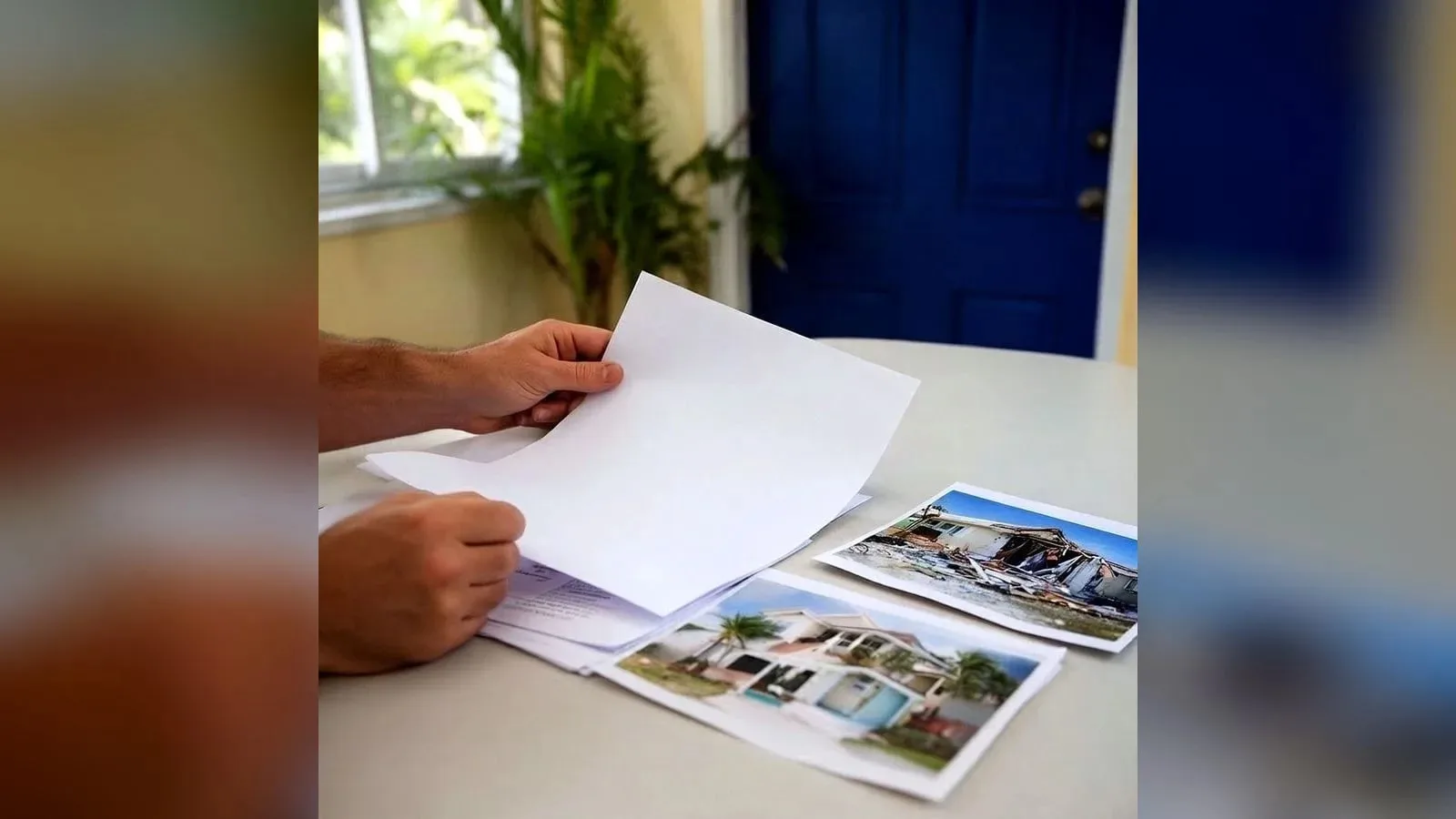
Introduction
If your home, condominium, or business has been damaged, hiring a public adjuster may be a good idea when you need help understanding your policy, documenting the extent of the damage, or reviewing the insurance company’s estimate. It is not necessary for every claim: the decision depends on the complexity of the case, the information you have, and the terms of the service. In Miami-Dade County, Florida, you can compare these needs before deciding.
When Hiring a Public Adjuster May Make Sense
It may be helpful to consider professional representation if the damage is difficult to document, the estimate does not seem to reflect what you observe, or you are unsure what information the insurance company needs. It may also help if you received a denial or a payment you consider insufficient and want the claim documentation reviewed. For example, after a leak, you may have photos of the visible damage but not know how to organize dates, communications, and other related documents. A public adjuster can help you organize and present the claim information. This does not guarantee that the insurance company will change its decision or determine by itself what the policy covers. For a condominium claim, you may have questions about which damage to document for your unit and what information you need to review in your policy. For a commercial property, the process may require organizing different documents about the property damage. Whether hiring help is useful depends on the details of each case.
What a Public Adjuster Does in a Claim
A public adjuster represents the property owner during the claims process. Their work may include helping you understand the policy, documenting damage, reviewing estimates, and submitting the claim to the insurance company. In practice, the support may include:
- Organizing damage photos, dates, and other records.
- Reviewing the insurance company’s estimate and identifying items that may need clarification or further review.
- Helping you understand what policy and claim information is being reviewed.
- Preparing and submitting claim-related documentation.
The specific scope of the service should be clear before you hire someone. Ask what tasks the adjuster will perform and how they will communicate with you throughout the process.
When You May Not Need One
If the damage is straightforward, your documentation is organized, and you understand the estimate and communications from the insurance company, you may prefer to manage the claim yourself. You can also first ask for an explanation of anything you do not understand and then decide whether you need representation. Your decision should not be based on the idea that hiring someone guarantees a result. A public adjuster can help you organize and present information, but cannot guarantee coverage, a favorable decision, or a specific amount.
How to Evaluate Fees and the Scope of Service
Fees and terms may vary depending on the agreement and the case. Before signing, ask for a written explanation of how the fees will be calculated, which services the agreement includes, and what other costs might apply. If anything is unclear, ask for an explanation before making a commitment. To assess whether the cost makes sense for you, consider:
- The complexity of the damage and the amount of documentation you need to organize.
- Whether you can spend time reviewing communications and following up on the claim.
- What tasks the adjuster will perform and which responsibilities will remain yours.
- How the fees relate to the claim outcome, as stated in the agreement.
Do not compare cost alone. Make sure you also understand the scope of the service and feel comfortable with the proposed communication and process.
What to Do If the Estimate Seems Low or the Claim Was Denied
First, gather the estimate or communication from the insurance company, the policy information available to you, photos, and any records related to the damage. Note which points raise questions for you—for example, an area that does not appear in the estimate or a difference between the damage you observed and the damage described. Then you can ask the insurance company to explain those points and consider having a public adjuster review the documentation. Reviewing documents may help identify missing information or aspects that should be clarified. Whether a decision can be changed depends on the circumstances and the insurance company’s review. If you received a denial or a payment lower than you expected, keep the communication and ask which documents were considered. Do not assume that a denial is final or that it will necessarily change: assess the case using the available information.
How to Decide and What to Ask Before Hiring
Before choosing someone, confirm that the professional is authorized to practice in Florida and ask about their role, fees, and the scope of the agreement. It is also reasonable to ask them to explain the process in clear terms and specify what documents they will need from you. Ricardo Public Adjusters Corp. represents homeowners, condominium owners, and businesses in property claims. The firm helps clients understand policies, document damage, review estimates, and submit claims. The licensed public adjuster is Ricardo Arevalo, license W319359; the firm’s license is W824117. The firm serves Miami-Dade, Broward, Palm Beach, and all of Florida, in Spanish and English.
Talk About Your Claim
If you are considering hiring a public adjuster in Miami-Dade County, you can contact Ricardo Public Adjusters Corp. to discuss your situation and the next step. Call 305-394-8090 or visit https://ricardopa.com. Your property is our commitment.
Frequently asked questions
What benefits can hiring a public adjuster offer?
A public adjuster may offer guidance in understanding the policy, organizing documentation, reviewing estimates, and submitting the claim. Their value depends on the needs of the case and the agreed scope of service; they do not guarantee a decision or a specific payment.
When might it be worthwhile to hire one?
It may be worthwhile when the damage is complex, you have questions about the estimate, the claim was denied, or you need help documenting and presenting information. If the case is straightforward and you feel confident managing it, you may not need to hire someone.
What should I do if the insurance company’s estimate seems too low?
Gather the estimate, photos, and other damage-related documents. Identify items you do not understand or that seem incomplete, and ask for an explanation. You can also ask a public adjuster to review the documentation with you.
How do I know how much it costs to hire a public adjuster?
Fees depend on the terms of the agreement and the case. Ask in writing how they are calculated, what services are included, and whether other costs are anticipated. Review the agreement before signing.
Is it too late to hire a public adjuster?
It depends on the status of the claim and the documents available. If you have already received a decision or have questions about next steps, you can discuss your situation and ask what review options may apply. Do not assume a specific deadline applies without verifying it for your case.
General information only, based on Florida law at the date shown. It is not legal advice, and initial guidance does not replace an evaluation by a licensed public adjuster.